
Bitcoin Scams
Lost money in a Bitcoin scam? If so, read on to learn about your options, including potential refunds.
For some, Bitcoin has changed the way we think about money and investments. With its rise in popularity you might have seen both exciting opportunities and worrying risks. As more people explore crypto, it’s become a target for clever Bitcoin scams that can catch even the most careful investors off guard.
If you’ve lost money to a Bitcoin scam you might not realise your bank or payment provider might need to refund you. Even if you’ve already been refused, our fraud recovery specialists could help you to recover your losses. It’s important to know you have options and support is available.
Keep reading to find out more about Bitcoin and how to protect yourself from common scams. If you need help now you can call +1 (206) 609-6016 to speak with our specialists or contact us online to arrange a call back.
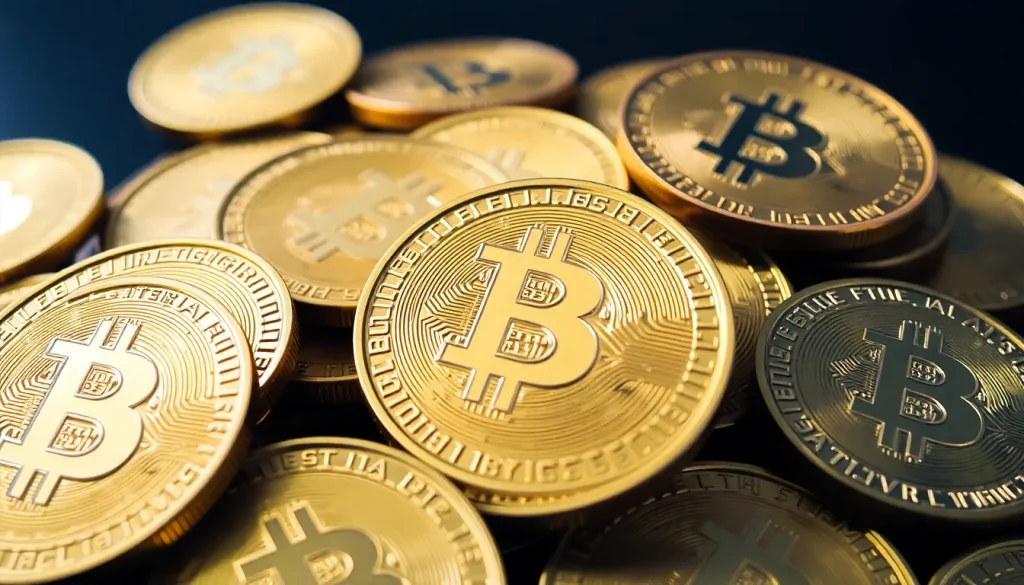
What Is A Bitcoin Scam?
A Bitcoin scam involves convincing you to send money or disclose account details under false pretences, using Bitcoin as the payment method. These scams appear highly convincing and can mimic legitimate investment offers, exchanges or even support services. Examples include:
Investment fraud where scammers promise high returns on fake Bitcoin schemes
Phishing scams using emails or fake websites that imitate genuine Bitcoin services
Impersonation scams posing as friends or authority figures urging urgent Bitcoin transfers
Recovery scams offering to get lost Bitcoin back after an initial loss, for an additional fee
When a fraudster convinces you to use your money to send them Bitcoin (rather than stealing from you directly), it is called an authorised push payment scam or APP scam.
UK banks and payment processors have signed up to a scheme to reimburse innocent victims of app scams in some cases. It is this route that could lead to a Bitcoin scam refund. However, we know some banks have refused refunds for various reasons.
If you’ve tried to get your money back after a Bitcoin scam, we could help you to secure a refund – even if your bank has initially failed to return your losses. Why not get in touch to find out more?
How Capital Refund House Can Help
Examples of Bitcoin Scams
Bitcoin scams follow common tactics designed to trick you into sending digital assets or handing over sensitive information. Typical examples include:
Fake Investment Schemes
Scam operators claim to run investment platforms promising large profits in a short time. These platforms often push you to deposit Bitcoin, using testimonials, charts or discounts to appear authentic. Once deposits are made, scammers vanish or invent reasons you can’t withdraw your funds.Phishing Websites
Fraud sites impersonate legitimate Bitcoin services, asking you to enter your wallet key or password. If you provide these details, scammers take direct control of your Bitcoin.Impersonation and Giveaway Scams
Contact often looks like it’s from a known person or official source requesting Bitcoin for a ‘limited-time offer’ or charitable cause. Genuine companies and organisations never demand payments in digital currency through unsolicited messages.Fake Wallet Apps
Cybercriminals create fraudulent Bitcoin wallet apps that appear legitimate in app stores. When users download and deposit funds, the app transmits private keys or wallet access to scammers, who promptly empty the wallets.
Remember, even if your bank has told you it won’t refund you after losing money in a Bitcoin scam, we could still help you. Please contact our team for more information.
Case Study: £50,000 Lost In Bitcoin Investment Scam
Tracey Watkins, a 42-year-old accountant from Cardiff, suffered devastating financial loss after being targeted in a sophisticated Bitcoin investment scam on social media. Contacted initially via WhatsApp by a woman claiming to represent a reputable investment firm, Tracey was persuaded to invest her savings in Bitcoin, enticed by promises that her money would triple or even quadruple. After her initial investment of £3,000 apparently soared in value to £30,000, the scammer convinced Tracey to install remote access software, AnyDesk, on her mobile phone—allegedly so that she could be guided through using the Binance cryptocurrency exchange. Unbeknownst to her, this allowed the scammers to gain full access to her device, and over the course of interactions, they withdrew her life savings, including her daughter’s savings and money taken from loans totalling over £50,000.
The impact on Tracey was both emotional and financial, leaving her feeling “extremely stupid, sick,” and helpless as she watched her accounts being drained in real time. Efforts to recover the stolen money proved fruitless, as both her bank and the Financial Ombudsman Service argued that by installing AnyDesk, Tracey had, in effect, given the scammers permission to access her accounts. The experience has left a lasting mark, serving as a stark warning for others. Citizens Advice has since highlighted the prevalence of such investment scams on social media and urged individuals to be wary of high-return promises and never to let themselves be rushed into decisions. Tracey’s story is a harrowing reminder of the sophisticated tactics scammers employ in crypto scams and the critical importance of vigilance online.
What Are The Warning Signs of Bitcoin Scams?
Here are a few examples of early warning signs to look out for to avoid Bitcoin scams:
Urgency or Pressure Tactics: Scammers create urgency, warning of limited-time offers or threats of loss to push you into quick decisions.
Unsolicited Contact: If you get investment tips from strangers via direct messages, emails, or fake social profiles, be cautious.
Requests for Unusual Payments: Requests for payment in Bitcoin or other cryptocurrencies—paired with excuses against regular payments—are warning signs.
Guaranteed or High Returns: Promises of fixed, quick, or guaranteed returns like “100% ROI” or “zero risk” signal a scam.
Phishing Attempts: Fake sites mimicking real exchanges may trick you into giving up wallet details, leading to stolen funds.
Requests for Sensitive Data: Scammers may ask for wallet keys, bank information, or ask you to install remote access software.
Remember, if something appears to good to be true, it often is.
Is There Anything I Can Do Following The Scam?
Here are some steps you might need to take if you’ve been targeted by Bitcoin scammers:
Cease all communication with the suspected scammer immediately.
Do not provide any further personal information or funds.
Gather and document all evidence of the scam, including messages, emails, transaction records, and the scammer’s contact details.
Report the incident to Action Fraud, the UK’s national fraud and cyber crime reporting centre.
Notify your bank or payment provider of the fraudulent activity to seek assistance and potentially block any further transactions.
Change passwords on all potentially compromised accounts, especially those related to email and financial services.
Monitor your financial accounts and credit report for any suspicious activity.
Remember, if your bank decides not to refund your losses, we could still help. Please get in touch to learn more about how we can support you.
Will I Get A Bitcoin Scam Refund?
In the UK, all banks and payment processors have signed up to reimbursement protections for app scams. This means that following a Bitcoin scam, a refund could be forthcoming if:
You were convinced by a scammer to buy Bitcoin and transfer it to them.
You acted diligently throughout and made the necessary checks.
Your bank failed to provide enough fraud protection.
As soon as you found out you’d been scammed, you told your bank’s fraud team.
Unfortunately, even if all of the above are true in your case, you may still not be refunded if your bank decides you didn’t do enough to stop the fraud.
What Can I Do If The Refund Request Is Rejected?
Options available after a rejected refund:
Request a written decision from your bank or payment service
Escalate your complaint to the Financial Ombudsman Service – it could decide that your bank’s decision was incorrect and force them to refund you.
Call our team for advice for a free consultation.
If our team believes your bank has wrongly turned down your Bitcoin scam refund, we could build a case on your behalf. There’s nothing to lose by calling, so why not get in touch today?
Start A Bitcoin Scam Claim Today
If you’ve lost money to a Bitcoin scam you’re not powerless. The right support and guidance can make a real difference in recovering your funds. By acting quickly and using all available resources, you give yourself the best chance of success.
To find out if we can help you claim a refund for a Bitcoin scam, please connect to live chat or call +1 (206) 609-6016 today.
Don’t let uncertainty hold you back. Remember you’re entitled to clear answers and fair treatment throughout the process. Taking these steps now could help you reclaim what’s rightfully yours.
Extra Links and Resources
Amazon UK Help – Report a Scam – Official Amazon page for reporting suspicious emails, texts, or scams directly.
Action Fraud – The UK’s national reporting centre for fraud and cybercrime, where victims can report Amazon scams and seek support.
Citizens Advice – Scams – Offers free, impartial advice for those affected by scams and helps with next steps.
Mobile Home Scams – Action Fraud: Learn how to identify, avoid, and report scams related to mobile homes and holiday parks.
Identity Theft Claim – Action Fraud: Find out how to report identity theft and get guidance on making a claim if you’ve been a victim.
PayPal Scams – Action Fraud: Discover common PayPal scams and how to protect yourself from fraudulent activity online.